


Brown Chevrolet of Eagle Pass

Blog

All eagle pass chevy dealer Eagle Pass Chevrolet Service 2025 Chevy cars 2026 Brown Chevrolet Buick GMC of Eagle Pass Service EAGLE PASS Buick Dealer eagle pass gmc dealer EAGLE PASS Used Cars Eagle Pass used trucks FAQs 2026 Equinox 2027 Chevrolet Trax Coolant EAGLE PASS Buick Service Oil Change Silverado Silverado 1500 Tires Winter Maintenance
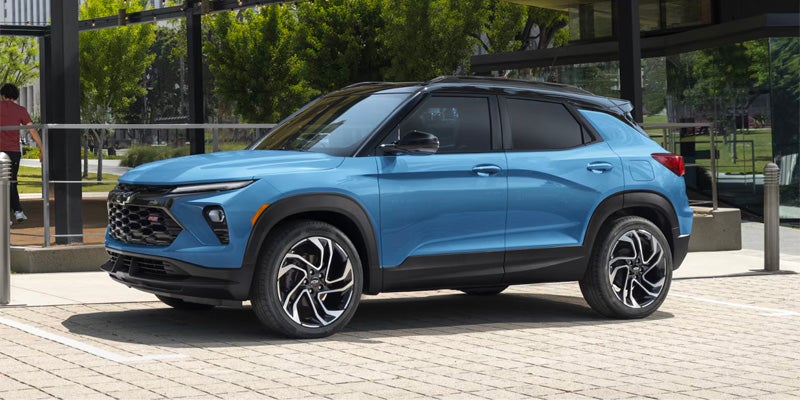
2025 Chevrolet Trailblazer - Towing With a Trailblazer

Towing With a Trailblazer: Everything You Need to Know

When it comes to versatile compact SUVs, the Chevrolet Trailblazer stands out for its ability to combine city-friendly agility with rugged utility. One of the standout features of the Trailblazer is its capability for towing. Whether you’re hauling a small boat, a trailer, or a camper, the Chevy Trailblazer is designed to help you tackle towing jobs with confidence. If you're considering towing with a Trailblazer, here’s what you need to know about its towing capabilities, features, and tips to make the most of your towing experience. Understanding the Towing Capacity of the Chevrolet Trailblazer The Chevrolet Trailblazer is a compact crossover, but it’s built with some serious muscle under the hood, making it capable of handling light towing tasks. With the right equipment, this SUV can comfortably tow small to moderate loads. 1. Trailblazer Towing Capacity Depending on the configuration and engine choice, the Trailblazer can tow up to 1,000 pounds when properly equipped. This is more than enough for small trailers, kayaks, or a pair of motorcycles. However, it's important to remember that the towing capacity can vary based on the trim level and any aftermarket towing equipment installed. The 1.3L turbocharged engine is commonly found in models with higher towing capabilities, especially when paired with the optional tow package. Standard Towing: The standard towing capacity for the Trailblazer is typically 1,000 pounds, which is sufficient for light-duty tasks. Max Towing: With the available tow package, the Trailblazer can reach its max towing capacity of 1,500 pounds, which opens up options for towing small trailers and equipment. 2. Engine Power and Efficiency The Trailblazer comes equipped with a choice of two engines, including a fuel-efficient 1.2L turbocharged engine and a more powerful 1.3L turbocharged engine. For towing purposes, the 1.3L turbocharged engine provides the most towing power, delivering 155 horsepower and 174 lb-ft of torque. This engine provides a solid balance of power and fuel efficiency, ensuring that the Trailblazer can handle towing without sacrificing too much on mileage. Engine Performance: The 1.3L turbo engine delivers enough power to haul light loads with ease, making it ideal for casual campers, boats, and small utility trailers. Fuel Economy: Even with towing, the Trailblazer maintains a competitive fuel economy, which is a significant benefit for long drives that involve towing. Key Features for Towing with a Trailblazer To make towing easier and safer, the Chevrolet Trailblazer comes equipped with a variety of features that ensure smooth performance when hauling loads. Understanding these features can help you maximize your vehicle's towing potential and enjoy a hassle-free towing experience. 1. Trailering Equipment For any SUV that you plan to use for towing, it’s important to ensure you have the right trailer hitch and towing equipment. The Chevy Trailblazer offers the option of a tow package, which includes a heavy-duty hitch, wiring harness, and additional features that increase the vehicle’s towing stability. Tow Package: This package includes features such as a trailer hitch receiver, wiring harness, and trailer brake controller (when necessary). These additions ensure that your Trailblazer is properly equipped for towing safely. Trailer Sway Control: The Trailblazer includes stability control and trailer sway control, which helps manage the motion of the trailer when towing. This is particularly useful when driving on windy roads or when sudden swerves occur. 2. Advanced Safety Features Safety is a top priority when towing, and the Trailblazer comes equipped with several advanced safety features that make towing safer and easier. Rearview Camera: The Trailblazer features a rearview camera to assist with hitching up your trailer, ensuring that you can align the trailer easily and safely. Forward Collision Alert: This system helps alert you to potential collisions when backing up or towing. If something crosses your path, the system will provide warnings to help avoid accidents. Lane-Keeping Assist: If you’re towing on highways or open roads, lane-keeping assist can help ensure that the Trailblazer stays within its lane, preventing any unintentional drifting while towing. Tips for Safe and Efficient Towing with Your Trailblazer Even though the Chevy Trailblazer is built to handle towing, there are some tips you should follow to ensure you’re towing safely and efficiently. 1. Check Your Trailer’s Weight and Load Distribution Before heading out, make sure that your trailer is loaded correctly and that the weight is evenly distributed. Improper load distribution can affect the handling of your Trailblazer and increase the risk of sway or tipping. Load Distribution: Ensure that the load is balanced and that the weight is distributed properly on the trailer. Heavy loads should be placed over the axles, with lighter items near the front. Tongue Weight: Make sure the tongue weight of the trailer is about 10-15% of the total trailer weight for optimal stability. 2. Monitor Your Vehicle’s Temperature When towing, it’s essential to keep an eye on the engine temperature and other gauges. While the Trailblazer is equipped to handle light towing, overloading can cause the engine to overheat, which may damage the engine or other vital components. Monitor Temperature: Keep an eye on the engine temperature gauge, especially when towing for extended periods. If the engine temperature gets too high, stop and let the vehicle cool down before continuing. 3. Use the Right Tires and Tire Pressure Make sure your tires are rated for towing, and always check the tire pressure before setting out. Proper tire pressure is vital for both vehicle stability and towing safety. Tire Pressure: Underinflated tires can reduce fuel efficiency, affect braking, and increase the risk of a blowout while towing. Check the tire pressure regularly and make sure it’s in line with the manufacturer’s recommendations. 4. Take It Slow While the Trailblazer is capable of towing, it’s important to drive carefully and avoid sudden acceleration or hard braking when towing. This will reduce strain on the engine, transmission, and braking system. Slow and Steady: Keep your speeds lower when towing, especially on hilly or uneven terrain. Avoid sharp turns and sudden maneuvers, as they can cause instability in the trailer. When to Consider Upgrading Your Tow Vehicle While the Chevrolet Trailblazer is an excellent vehicle for light towing tasks, there are limits to what it can handle. If you find yourself regularly towing heavier loads, it may be time to consider a larger Chevy truck or GMC SUV, such as the Chevy Silverado or GMC Yukon, which offer significantly higher towing capacities. These vehicles are built for more demanding towing needs and offer greater durability for frequent or heavy towing. At Brown Eagle Pass, we offer a wide selection of Chevrolet, Buick, and GMC vehicles, including larger trucks and SUVs, designed to handle more significant towing demands. Whether you’re looking for a Chevy Silverado or a GMC Sierra, we can help you find the perfect vehicle for your towing needs.

A man sitting in a car at a dealership - Test Drive: Why It's Important Before Buying a Car

Test Drive: Why It's Important Before Buying a Car

When you're considering purchasing a new vehicle, one of the most crucial steps in the process is the test drive. Many potential buyers underestimate the importance of taking a car for a spin before making their final decision. A test drive isn’t just about seeing if the car looks good on the lot—it's an essential part of evaluating how the vehicle performs and whether it suits your needs. At Brown Chevrolet Buick GMC in Eagle Pass, TX, we understand that buying a car is a big investment. We encourage all our customers to take the car for a test drive to ensure they’re making the right choice. In this article, we’ll highlight the key reasons why it’s important to test drive a car before you make that final commitment. Evaluating the Driving Experience The most significant reason to test drive a vehicle is to understand how it feels behind the wheel. While online reviews and spec sheets can provide valuable information about a car’s features and capabilities, they can't replicate the personal experience of driving the car yourself. 1. Assessing Comfort and Ergonomics Every car has a unique feel when you’re behind the wheel. A test drive gives you the opportunity to evaluate: Seat Comfort: Does the seat offer sufficient support for your back? Is it easy to adjust the seat position to your liking? Visibility: Are the windows and mirrors positioned so you can see all around you comfortably? Driving Position: Does the steering wheel and pedals feel in sync with your driving posture? These factors are essential for long-term comfort, especially if you plan to spend significant time in your car. A test drive ensures that the seating position and overall ergonomics fit your preferences. 2. Handling and Performance Even the most detailed reviews cannot tell you how the car feels on the road. During the test drive, pay close attention to: Steering Response: Is the steering wheel responsive, or does it feel sluggish? Is it easy to maneuver at low speeds, such as in parking lots? Acceleration: How does the car respond when you press the gas pedal? Does it accelerate smoothly or hesitate? Braking Performance: Do the brakes feel firm, or is there a delay when applying pressure? These driving dynamics can make or break your experience with the vehicle, and they are only fully understood through direct interaction with the car. Understanding Vehicle Features and Technology Modern vehicles are equipped with a wide range of technology designed to enhance convenience, comfort, and safety. A test drive provides the opportunity to experience these features firsthand. 1. Infotainment System The Chevrolet, Chrysler, Dodge, Jeep, and Ram models all come with advanced infotainment systems, including touchscreens, Bluetooth connectivity, Apple CarPlay®, and Android Auto™. During the test drive: Test the Connectivity: Connect your phone to the system and test out music streaming, navigation, and hands-free calling. Ease of Use: Ensure the system is intuitive and that the controls are easy to operate while driving. Being familiar with the tech features before you drive off the lot can save time and frustration later. 2. Driver Assistance Features Many modern vehicles come with a suite of driver assistance systems, such as adaptive cruise control, lane-keeping assist, blind-spot monitoring, and more. Test the Features: Engage the adaptive cruise control or see how the lane-departure warning system works during your test drive. Adjust the Settings: Make sure you can easily customize the features to your preferences for comfort and convenience. Testing these features on the road will allow you to assess how well they work in real-world conditions. Checking the Car’s Suitability for Your Lifestyle The test drive is also an opportunity to assess how the car fits into your daily life and needs. This is your chance to see if the vehicle meets your specific requirements, whether it's for work, commuting, or family trips. 1. Cargo Space and Practicality For those who need extra cargo space, such as for family outings or transporting gear, it’s important to evaluate how well the car accommodates your needs. Trunk/Rear Space: During your test drive, check the trunk or backseat area. Can it comfortably fit the items you often carry? Fold-Down Seats: If you need more room, ensure the seats fold down easily and offer a flat loading space. 2. Fuel Efficiency and Range Understanding how a vehicle performs in terms of fuel economy is critical, especially if you’re concerned about rising gas prices or long trips. A test drive provides the opportunity to gauge: Real-World Fuel Economy: Compare your real-time driving experience with the car’s advertised fuel efficiency to see if it aligns with your expectations. Identifying Potential Issues Before Purchase A test drive allows you to identify any potential problems or red flags that might be difficult to notice in an online review or a quick glance over the car. These issues could include: 1. Suspension and Ride Quality Listen for any unusual noises when driving over bumps or rough patches of road. A poor suspension can lead to uncomfortable driving, especially on uneven terrain. 2. Noise Levels Is the cabin excessively noisy at higher speeds? Check if the car has good insulation from road and wind noise, ensuring a quiet and smooth ride. 3. Transmission and Shifting During the test drive, pay attention to how the transmission shifts. Are there any jerky movements when changing gears? Smooth shifts indicate good transmission health. How to Maximize Your Test Drive Experience To make the most of your test drive, take the following steps: Drive in Different Conditions: If possible, drive on a highway, back roads, and in stop-and-go traffic to get a feel for the car in all scenarios. Test the Parking: Try parking the vehicle in tight spaces to assess visibility and ease of parking. Take Your Time: Don’t rush the test drive. Spend at least 20 to 30 minutes driving, testing all the features, and evaluating the ride. Visit Brown Chevrolet Buick GMC for Your Test Drive The test drive is a crucial step in the car-buying process, allowing you to experience firsthand the features, performance, and comfort of the vehicle you're considering. At Brown Chevrolet Buick GMC in Eagle Pass, TX, we encourage our customers to take their time during the test drive to ensure they’re fully satisfied with their vehicle choice. Our team is here to help guide you through the process and answer any questions you may have. Schedule a test drive today and discover why Chevrolet, Chrysler, Dodge, Jeep, and Ram vehicles are a top choice for drivers in Eagle Pass, TX and beyond.

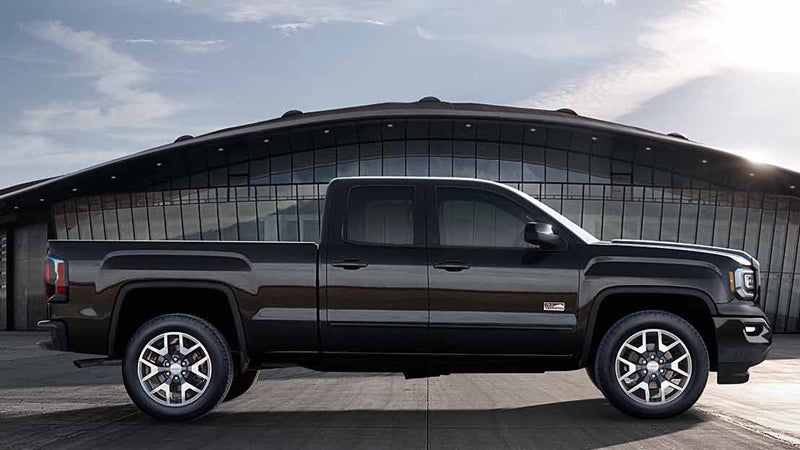
A 2019 Chevrolet Silverado 1500 - Used Trucks: What to Know Before Buying

Used Trucks: What to Know Before Buying

Purchasing used trucks is an exciting venture. Whether you’re looking for a dependable workhorse or a versatile vehicle for personal use, there are several important factors to consider before making a decision. At Brown Chevy Buick GMC in Eagle Pass, we understand that buying a used truck is a significant investment, and we want to make sure you have all the information you need to make an informed choice. Why Buy Used Trucks? Used trucks offer an array of benefits. They’re often more affordable than new vehicles, and many trucks maintain their value over time due to their durability and strong resale values. The idea of owning a high-performance vehicle at a more reasonable price makes used trucks a popular choice among buyers. However, before you make a purchase, it’s important to understand the critical factors that will ensure you get a good deal and avoid potential pitfalls. Vehicle History and Condition When considering a used truck, the first thing you’ll want to assess is the vehicle’s history and overall condition. Many buyers overlook this step, which can lead to unfortunate surprises down the road. Vehicle History Report: It’s essential to check the truck’s history to ensure it hasn’t been in any major accidents, has clear title ownership, and has a track record of regular maintenance. You can obtain this information through services like Carfax or AutoCheck. This will give you peace of mind and insight into potential issues with the truck. Mileage: Lower mileage typically indicates less wear and tear. However, higher mileage trucks that have been well-maintained can still be a great option. Always consider the truck’s maintenance history and how it has been cared for over time. Previous Ownership: Try to find out how many owners the truck has had and whether it was used for commercial purposes or recreational use. Trucks used for towing or heavy-duty tasks may have more wear compared to those used for light commuting. Inspection and Test Drive A thorough inspection and a test drive are essential steps in ensuring you’re getting the right truck. Many used trucks may look great on the outside, but a closer inspection can reveal underlying issues. Mechanical Inspection: Before buying, it’s wise to have the truck inspected by a qualified mechanic. They can check the engine, transmission, suspension, and brakes, identifying any potential issues that might not be visible during a casual inspection. This can prevent costly repairs down the line. Interior and Exterior Condition: Check the truck’s body for signs of rust, dents, or paint inconsistencies. Also, ensure the interior is in good condition. Look for any signs of wear or damage to the seats, dashboard, and electronics. It’s important that both the interior and exterior align with the truck’s overall condition. Test Drive: Taking the truck for a test drive will allow you to assess how it handles on the road. Pay attention to any unusual noises, vibrations, or difficulty in handling. A test drive will also help you evaluate the comfort and drivability of the vehicle. What Type of Used Truck Suits Your Needs? Before you buy a used truck, consider how you plan to use it. Trucks come in a variety of configurations, including full-size, mid-size, and compact models, each with different capabilities. Work vs. Play: Are you planning to use the truck for heavy-duty tasks such as towing or hauling, or do you need something more versatile for light recreational use? Full-size trucks typically offer more towing capacity and payload, while mid-size and compact trucks provide better fuel economy and easier handling. Towing and Payload Capacity: If you’re going to be towing trailers, boats, or other heavy equipment, ensure the truck you choose can handle the load. Check the towing capacity listed in the truck’s specifications. Keep in mind that the engine type, drivetrain, and axle ratio all play roles in the truck's towing capabilities. Fuel Economy: While trucks are generally less fuel-efficient than cars, newer models tend to offer better fuel economy. If you drive long distances or use your truck for commuting, fuel efficiency may be an important factor to consider. Brand and Model: Reliability of Used Trucks Some truck brands are known for their long-lasting reliability, while others may have a reputation for certain issues. Doing your research on the brand and model is key to avoiding any unexpected surprises. Research Reliability Ratings: Certain brands like Chevrolet, GMC, and Ford have long-standing reputations for producing durable trucks. However, it’s still important to check model-specific reviews and reliability ratings. Some models have known issues that may require costly repairs. Popular Models to Consider: Trucks like the Chevrolet Silverado, GMC Sierra, Ford F-150, and Ram 1500 have a history of providing excellent performance and reliability. It’s also worth checking online forums or speaking with current owners to get feedback on how the truck holds up over time. Warranty and Aftermarket Services One of the advantages of buying from a dealership like Brown Chevy Buick GMC is that you have access to warranty options and aftermarket services. When purchasing a used truck, inquire about any remaining factory warranty or extended warranty options. A certified pre-owned (CPO) vehicle typically comes with additional benefits, including extended warranties and a thorough inspection. Certified Pre-Owned Vehicles: CPO vehicles are typically newer, low-mileage used trucks that have passed a detailed inspection and come with a manufacturer-backed warranty. These vehicles offer peace of mind, knowing that the truck has been thoroughly checked and maintained. Service and Maintenance: Find out about the service and maintenance history of the truck. A well-maintained vehicle is always a safer and more reliable option. Consider the availability of aftermarket service and parts, especially for older or less common models. Buying a used truck is a great way to get a high-quality vehicle without the price tag of a new model. However, it’s essential to approach the purchase with caution. By following the guidelines above—inspecting the vehicle, considering your needs, researching the brand, and negotiating wisely—you can make a purchase that meets your requirements and provides you with years of dependable service. At Brown Chevy Buick GMC in Eagle Pass, we make buying a used truck a straightforward and enjoyable experience. Our team is here to help you find the right truck that suits your lifestyle and needs. Visit us today to explore our selection of used trucks and take the first step towards driving home with a vehicle you can trust.

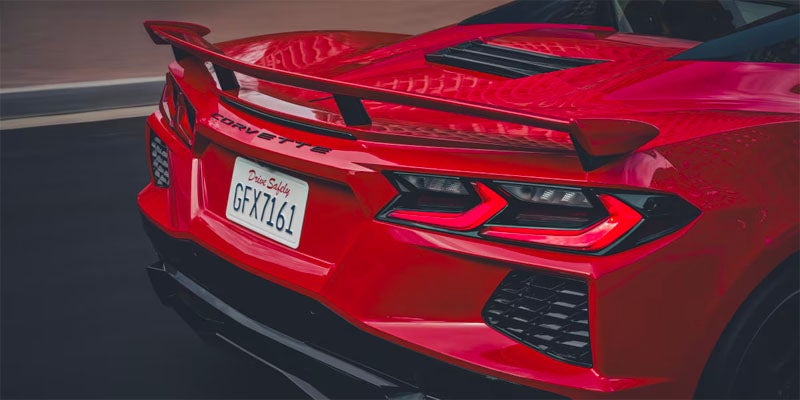
2025 Corvette Stingray sports car, available at Brown CGB Eagle Pass, Eagle Pass, Texas. Featuring a powerful V8 engine, mid-engine layout, and race-ready suspension.

5 Favorite Features of the 2025 Corvette Stingray

Over 70 years of perfecting combined with advanced racing technology makes the 2025 Corvette Stingray a menace on the track. Some of the sports car's most favored features include its mid-engine design, powerful small-block V8, race-bred suspension, and performance data recorder. 5 Favorite Features of the 2025 Corvette Stingray Powerful V8 Engine All the Stingray's track-dominating power comes from a 6.2L naturally aspirated V8. This Chevy small-block engine kicks out 490 hp and 465 lb-ft of torque and incorporates several performance-enhancing technologies. For instance, it features a composite intake manifold with eight 210-mm runners for enhanced airflow and a dry-sump oil system that keeps vital components consistently lubricated. The available performance exhaust in the Z51 Performance Package pushes the engine to its true potential. It increases output to a tire-shredding 495 hp and 470 lb-ft of torque. With this upgrade, the Corvette Stingray hits 60 mph in 2.9 seconds and reaches a top speed of 194 mph. Mid-Engine Layout Rather than under the hood, the Stingray positions its small-block V8 directly behind the driver's seat and in front of the rear axle. This mid-engine layout helps the sports car achieve a near-perfect weight distribution. It also adds extra weight over the driven rear wheels, significantly improving traction. Track-Ready Suspension Moreover, the Stingray comes equipped with an SLA double wishbone suspension, 46 mm monotube shocks, and a direct-acting stabilizer bar. As a result, the setup provides road-hugging handling for the track and outstanding ride comfort for your day-to-day drives. Alternatively, you can opt for the available Z51 performance suspension with Magnetic Selective Ride Control. This state-of-the-art suspension includes advanced adaptive damping technology, which improves traction across all driving conditions, and a magnetorheological suspension fluid, which reduces body roll. Unapologetic Styling A low profile, an aggressive rake stance, and an extremely chiseled body announce the Stingray's status as a track-ready sports car. The front fascia sports angular headlights, a bumper-mounted grille, and a sculpted hood. Meanwhile, the vehicle's rear end flaunts dual-element taillights, quad exhaust tips, and an available Z51 spoiler. Other design features that define the sports car include massive side air intakes, which help cool the V8 engine, and 19-inch front and 20-inch rear five-spoke wheels. Performance Data Recorder The available performance data recorder captures your track activities in HD and saves them on an SD card. It records footage, audio, and valuable performance data like 0–60 mph time, top speed, g-force, and lap time. For only a fraction of a European supercar's price, the Stingray offers a dazzling presence, a sub-three-second 0–60 mph time, and advanced racing technology. Visit us at Brown CGB Eagle Pass to make the Stingray yours today.

Contact Us

Fill out this form below and we'll contact you shortly
*Required Fields