




Brown Chevrolet of Eagle Pass

Blog / EAGLE PASS Buick Dealer

Trade in Your Vehicle: How to Know When It’s Time

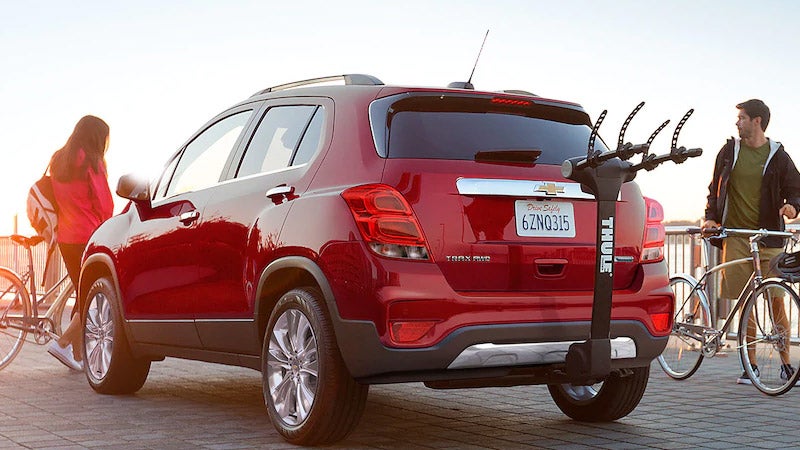
2019 Chevrolet Trax - Trade in Your Vehicle: How to Know When It’s Time

Owning a vehicle is a journey, and at some point, every driver faces the decision to move on from their current car and upgrade to something newer. Recognizing the right time to trade in can make a meaningful difference in maximizing your trade-in value. From rising repair bills to lifestyle changes, certain signs indicate when it may be time to consider a new ride. 

At Brown CGB Eagle Pass, serving drivers throughout Eagle Pass, TX, we’re here to support your decision-making process and help you get the strongest return on your trade-in. Below are some of the most common indicators that it may be time to part ways with your current vehicle. 

Maintenance Costs Keep Adding Up 

One of the clearest signs that it’s time to trade in your vehicle is when ongoing maintenance becomes increasingly expensive. As vehicles age, components naturally wear out, leading to more frequent repairs. Large repairs—such as engine or transmission work—can significantly impact your budget. 

Trading in before major repairs are needed often helps secure a stronger trade-in value. At Brown CGB Eagle Pass, our team can guide you through timing your trade-in to make the most of its current condition. 

Lifestyle Changes and New Needs 

As life evolves, so do your vehicle requirements. A compact sedan may have suited your daily routine years ago, but a growing family or changing commute may require more space, capability, or comfort. When your current vehicle can no longer handle your regular demands, it may be time to upgrade. 

A trade-in gives you the opportunity to move into a model that better supports your lifestyle. GMC offers a wide selection of SUVs and trucks—such as the GMC Acadia or Sierra 1500—designed to meet a variety of needs. 

Decreased Reliability 

Frequent breakdowns or diminishing reliability can disrupt your daily routine and compromise safety. If your vehicle struggles to start, requires roadside assistance, or leaves you feeling uncertain on longer drives, it may no longer be dependable enough for everyday use. 

Trading in an unreliable vehicle helps you avoid additional unexpected expenses and allows you to transition into a newer model equipped with modern safety and driver-assistance features. 

It’s Retaining Less Value 

Every vehicle depreciates, and waiting too long to trade in can reduce its overall value. Cars generally experience the fastest depreciation in the first few years, but mileage, condition, and market demand also play major roles in determining trade-in worth. 

If your vehicle is still in good condition and has reasonable mileage, trading it in sooner can help you secure a higher return. Drivers in Eagle Pass, TX, can rely on Brown CGB Eagle Pass for fair and competitive appraisals. 

Desire for New Features 

Automotive technology evolves quickly. If you find yourself wishing for updated amenities such as a touchscreen infotainment system, advanced driver-assistance technology, enhanced fuel efficiency, or modern comfort features, a trade-in may be the perfect opportunity to upgrade. 

Models throughout the GMC lineup—like the Sierra 1500 and Terrain—offer contemporary features designed to elevate everyday driving. 

Knowing when to trade in your vehicle is about recognizing key factors that influence value, safety, and everyday comfort. Rising repair costs, shifting lifestyle needs, declining reliability, and the desire for modern technology all signal that a trade-in may be the right choice. 

At Brown CGB Eagle Pass, we’re committed to helping drivers in Eagle Pass, TX, get the most for their trade-in while finding a vehicle that truly fits their needs. Visit us in person or explore our inventory to get started on your upgrade today. 

Posted in:

Related Posts

A man sitting in a car at a dealership - Test Drive: Why It's Important Before Buying a Car

Test Drive: Why It's Important Before Buying a Car

When you're considering purchasing a new vehicle, one of the most crucial steps in the process is the test drive. Many potential buyers underestimate the importance of taking a car for a spin before making their final decision. A test drive isn’t just about seeing if the car looks good on the lot—it's an essential part of evaluating how the vehicle performs and whether it suits your needs. At Brown Chevrolet Buick GMC in Eagle Pass, TX, we understand that buying a car is a big investment. We encourage all our customers to take the car for a test drive to ensure they’re making the right choice. In this article, we’ll highlight the key reasons why it’s important to test drive a car before you make that final commitment. Evaluating the Driving Experience The most significant reason to test drive a vehicle is to understand how it feels behind the wheel. While online reviews and spec sheets can provide valuable information about a car’s features and capabilities, they can't replicate the personal experience of driving the car yourself. more 1. Assessing Comfort and Ergonomics Every car has a unique feel when you’re behind the wheel. A test drive gives you the opportunity to evaluate: Seat Comfort: Does the seat offer sufficient support for your back? Is it easy to adjust the seat position to your liking? Visibility: Are the windows and mirrors positioned so you can see all around you comfortably? Driving Position: Does the steering wheel and pedals feel in sync with your driving posture? These factors are essential for long-term comfort, especially if you plan to spend significant time in your car. A test drive ensures that the seating position and overall ergonomics fit your preferences. 2. Handling and Performance Even the most detailed reviews cannot tell you how the car feels on the road. During the test drive, pay close attention to: Steering Response: Is the steering wheel responsive, or does it feel sluggish? Is it easy to maneuver at low speeds, such as in parking lots? Acceleration: How does the car respond when you press the gas pedal? Does it accelerate smoothly or hesitate? Braking Performance: Do the brakes feel firm, or is there a delay when applying pressure? These driving dynamics can make or break your experience with the vehicle, and they are only fully understood through direct interaction with the car. Understanding Vehicle Features and Technology Modern vehicles are equipped with a wide range of technology designed to enhance convenience, comfort, and safety. A test drive provides the opportunity to experience these features firsthand. 1. Infotainment System The Chevrolet, Chrysler, Dodge, Jeep, and Ram models all come with advanced infotainment systems, including touchscreens, Bluetooth connectivity, Apple CarPlay®, and Android Auto™. During the test drive: Test the Connectivity: Connect your phone to the system and test out music streaming, navigation, and hands-free calling. Ease of Use: Ensure the system is intuitive and that the controls are easy to operate while driving. Being familiar with the tech features before you drive off the lot can save time and frustration later. 2. Driver Assistance Features Many modern vehicles come with a suite of driver assistance systems, such as adaptive cruise control, lane-keeping assist, blind-spot monitoring, and more. Test the Features: Engage the adaptive cruise control or see how the lane-departure warning system works during your test drive. Adjust the Settings: Make sure you can easily customize the features to your preferences for comfort and convenience. Testing these features on the road will allow you to assess how well they work in real-world conditions. Checking the Car’s Suitability for Your Lifestyle The test drive is also an opportunity to assess how the car fits into your daily life and needs. This is your chance to see if the vehicle meets your specific requirements, whether it's for work, commuting, or family trips. 1. Cargo Space and Practicality For those who need extra cargo space, such as for family outings or transporting gear, it’s important to evaluate how well the car accommodates your needs. Trunk/Rear Space: During your test drive, check the trunk or backseat area. Can it comfortably fit the items you often carry? Fold-Down Seats: If you need more room, ensure the seats fold down easily and offer a flat loading space. 2. Fuel Efficiency and Range Understanding how a vehicle performs in terms of fuel economy is critical, especially if you’re concerned about rising gas prices or long trips. A test drive provides the opportunity to gauge: Real-World Fuel Economy: Compare your real-time driving experience with the car’s advertised fuel efficiency to see if it aligns with your expectations. Identifying Potential Issues Before Purchase A test drive allows you to identify any potential problems or red flags that might be difficult to notice in an online review or a quick glance over the car. These issues could include: 1. Suspension and Ride Quality Listen for any unusual noises when driving over bumps or rough patches of road. A poor suspension can lead to uncomfortable driving, especially on uneven terrain. 2. Noise Levels Is the cabin excessively noisy at higher speeds? Check if the car has good insulation from road and wind noise, ensuring a quiet and smooth ride. 3. Transmission and Shifting During the test drive, pay attention to how the transmission shifts. Are there any jerky movements when changing gears? Smooth shifts indicate good transmission health. How to Maximize Your Test Drive Experience To make the most of your test drive, take the following steps: Drive in Different Conditions: If possible, drive on a highway, back roads, and in stop-and-go traffic to get a feel for the car in all scenarios. Test the Parking: Try parking the vehicle in tight spaces to assess visibility and ease of parking. Take Your Time: Don’t rush the test drive. Spend at least 20 to 30 minutes driving, testing all the features, and evaluating the ride. Visit Brown Chevrolet Buick GMC for Your Test Drive The test drive is a crucial step in the car-buying process, allowing you to experience firsthand the features, performance, and comfort of the vehicle you're considering. At Brown Chevrolet Buick GMC in Eagle Pass, TX, we encourage our customers to take their time during the test drive to ensure they’re fully satisfied with their vehicle choice. Our team is here to help guide you through the process and answer any questions you may have. Schedule a test drive today and discover why Chevrolet, Chrysler, Dodge, Jeep, and Ram vehicles are a top choice for drivers in Eagle Pass, TX and beyond.

Why Winter Maintenance is Important for Your Chevrolet 

Why Winter Maintenance is Important for Your Chevrolet

Even in a town like Eagle Pass, TX, where winters are mild compared to northern states, cooler temperatures and seasonal weather shifts can still take a toll on your vehicle. Winter maintenance is not just for drivers dealing with snow and ice. Temperature drops, reduced daylight, and changes in humidity can all affect how your Chevrolet performs. Staying ahead of seasonal wear helps keep you safe and your vehicle running reliably. Common Types of Winter Maintenance Winter maintenance covers several key areas that work together to keep your Chevrolet performing at its best. Here is what most service professionals typically recommend as the temperatures start to fall. more Battery Inspection Cold weather puts added strain on your vehicle's battery. A battery that is aging or holding a weak charge may start fine during the summer but struggle when temperatures dip. Having your battery tested before the season changes is a simple, low-cost step that can prevent unexpected breakdowns. Coolant and Antifreeze Check Your engine's cooling system relies on the right mixture of coolant and antifreeze to regulate temperature year-round. Antifreeze prevents coolant from freezing in cold temps and protects against overheating in warm ones. If your antifreeze levels are low or the fluid is degraded, your engine may not be adequately protected. Checking and topping off antifreeze is one of the most important parts of any winter maintenance routine. Tire Inspection Tire pressure drops as the air gets cooler - roughly one pound per square inch for every 10 degrees Fahrenheit of temperature change. Underinflated tires affect handling, fuel efficiency, and tire lifespan. Inspecting tread depth and adjusting pressure to the recommended levels is a quick check that makes a real difference on the road. Fluid Top-Offs and Wiper Blades Winter maintenance should also include checking your windshield washer fluid, brake fluid, and engine oil. Wiper blades often go overlooked until they streak or skip across the glass. Replacing worn blades before conditions get worse is a smart and easy fix. What Happens If You Skip Winter Maintenance Skipping winter maintenance might not cause immediate problems, but it creates risks that can compound over time. A neglected battery may leave you stranded. Low antifreeze levels can cause your engine to overheat or allow internal components to corrode. Worn tires with low pressure reduce traction and increase stopping distances, which is a concern even in light rain. In short, deferred maintenance leads to larger, more expensive repairs down the road. What starts as a small issue - like a dirty air filter or degraded antifreeze - can turn into a much bigger problem if left unaddressed through a season of temperature swings. Trust Brown Chevrolet Eagle Pass for Winter Maintenance Winter maintenance is about more than just preparing for cold snaps. It is about keeping your Chevrolet dependable, efficient, and safe no matter what the season brings. Drivers throughout Eagle Pass, TX, can feel confident bringing their vehicle to Brown Chevrolet Eagle Pass for a seasonal checkup. A few straightforward inspections now can save a lot of time, money, and stress down the road. Schedule an appointment today to let our certified service team take a look at your Chevrolet before the season changes.

Tires FAQ: Understanding Tire Maintenance, Replacement, and Care in Eagle Pass, TX

Tires FAQ: Understanding Tire Maintenance, Replacement, and Care in Eagle Pass, TX

Your tires are one of the most important components of your vehicle. They provide the connection between your car, truck, or SUV and the road, affecting handling, braking, comfort, and overall driving performance. Proper tire maintenance helps support reliable performance and can help drivers identify potential issues before they become larger concerns. For drivers in Eagle Pass, TX, regular tire care is especially important due to changing road conditions, temperature fluctuations, and everyday driving demands. Whether you drive a Chevrolet Silverado, Equinox, Traverse, Malibu, or another vehicle, maintaining your tires helps ensure your vehicle is prepared for every trip. At Brown Chevrolet of Eagle Pass, Chevrolet Certified Service experts provide tire services designed to help drivers maintain their vehicles. From tire rotations and inspections to finding the right replacement tires, professional service can make tire maintenance easier. Why Is Tire Maintenance Important? Tire maintenance plays an important role in vehicle performance and safety. Tires with proper inflation, balanced wear, and sufficient tread depth help your vehicle respond correctly while driving. Neglecting routine tire care can lead to uneven wear, reduced handling, and the need for replacement sooner than expected. more Many tire problems develop gradually. Drivers may not notice changes in performance until a tire issue becomes more serious. Regular inspections allow technicians to check for signs of wear, damage, and other conditions that may affect tire performance. Important tire maintenance services include: Checking tire pressure regularly. Rotating tires according to the vehicle manufacturer’s recommendations. Inspecting tread depth and wear patterns. Checking for punctures, cracks, or sidewall damage. Performing wheel alignments when needed. Balancing tires to promote smoother driving. A tire inspection is a simple way to better understand your vehicle’s condition. Professional technicians can identify concerns that may not be obvious during a quick visual check. How Often Should I Rotate My Tires? Tire rotation helps promote even wear by changing the position of each tire on the vehicle. Because tires experience different levels of stress depending on their location, rotating them helps maintain balanced performance. Front tires often experience different wear patterns compared with rear tires, especially on front-wheel-drive vehicles. Regular rotation helps distribute wear more evenly, which can support longer tire life and consistent handling. Drivers should consider tire rotations based on: Vehicle manufacturer recommendations. Driving habits and road conditions. Tire type and tread pattern. Signs of uneven wear. Many routine maintenance visits include tire rotation as part of keeping your vehicle in good condition. A service appointment provides an opportunity to inspect tires while addressing other important vehicle maintenance needs. How Do I Know When My Tires Need to Be Replaced? Knowing when to replace tires is an important part of vehicle ownership. Tires naturally wear down over time, and continuing to drive on worn tires can affect traction and handling. Several signs may indicate your tires need attention: Tread depth appears low. Visible cracks or damage appear on the tire surface. The vehicle vibrates while driving. Tires lose air pressure frequently. Uneven wear appears across the tread. The vehicle pulls to one side. Drivers should also consider the age and condition of their tires. Even if tread remains visible, older tires may require inspection due to changes in rubber condition over time. A professional tire inspection can help determine whether your tires can continue being used or if replacement options should be considered. What Tire Pressure Should My Vehicle Have? Maintaining the correct tire pressure is one of the easiest ways to care for your tires. Underinflated or overinflated tires can affect handling, fuel efficiency, and tire wear. The recommended tire pressure for your vehicle can usually be found on the driver-side door label or in the owner’s manual. Tire pressure recommendations vary depending on the vehicle model, tire size, and manufacturer specifications. Drivers should check tire pressure: Before long road trips. During seasonal temperature changes. When a tire pressure warning light appears. During routine maintenance visits. Proper inflation helps your tires maintain the intended contact with the road and supports a smoother driving experience. What Causes Uneven Tire Wear? Uneven tire wear can happen for several reasons. Identifying the cause helps prevent continued wear and protects your investment in your tires. Common causes of uneven tire wear include: Incorrect tire pressure. Improper wheel alignment. Lack of regular tire rotations. Worn suspension components. Driving habits and road conditions. Unbalanced tires. For example, tires that wear more on one edge may indicate an alignment concern, while uneven wear between tires may point to the need for rotation. A technician can inspect your tires and recommend the appropriate service. Do I Need a Wheel Alignment? A wheel alignment adjusts the angles of your vehicle’s wheels so they meet manufacturer specifications. Proper alignment helps support balanced tire wear, steering response, and vehicle handling. Drivers may need a wheel alignment if they notice: The vehicle pulling left or right. A steering wheel that is not centered. Uneven tire wear. Steering changes after hitting a pothole or road hazard. New tires wearing unevenly. Texas roads can include a variety of driving conditions, and impacts from potholes or uneven surfaces can affect alignment over time. Having your alignment checked when necessary can help maintain proper tire performance. How Do I Choose the Right Tires for My Vehicle? Selecting the right tires depends on your vehicle type, driving habits, and local conditions. The best tire choice for a Chevrolet truck may differ from what works best for a compact SUV or sedan. Factors to consider when choosing tires include: Vehicle size and weight. Recommended tire specifications. Driving environment. Weather conditions. Desired ride comfort and performance. A tire professional can help explain available options and ensure the tires selected match your vehicle’s requirements. Can Tire Services Help Improve My Vehicle’s Performance? Tires influence how your vehicle accelerates, turns, brakes, and handles different road surfaces. Properly maintained tires allow your vehicle’s suspension, steering, and braking systems to work more effectively. Regular tire services can support: More consistent handling. Improved ride comfort. Even tire wear. Better preparation for changing road conditions. Identification of potential tire concerns. Tire care is not only about replacing worn tires. It also involves maintaining the tires you already have through regular inspections and proper service. Schedule Tire Service at Brown Chevrolet of Eagle Pass Keeping your tires properly maintained helps support dependable performance every time you drive. From routine tire rotations and inspections to selecting replacement tires, professional service can help you keep your vehicle ready for the road. Brown Chevrolet of Eagle Pass offers Chevrolet Certified Service support for drivers needing tire care and vehicle maintenance in Eagle Pass. The service team can assist with tire inspections, rotations, wheel-related services, and other maintenance needs. Schedule your next service visit today and help keep your Chevrolet performing at its best.