




Brown Chevrolet of Eagle Pass

Blog / 2027

Trax vs Ford Escape: 2027 Compact SUV Compared

Trax vs Ford Escape: 2027 Compact SUV Compared

2027 Trax vs Ford Escape: Which Compact SUV Comes Out on Top? 

Smart SUV shoppers want modern technology, everyday comfort, and lasting dependability. Comparing the 2027 Chevrolet Trax and the Ford Escape highlights two distinct paths in the crossover market, especially since Ford ended Escape production after the 2026 model year while the Trax continues into 2027. Drivers in Eagle Pass, TX can contact Brown Chevrolet for more information and a closer look at how these two SUVs compare across the categories that matter most.  


Engine Power 

The 2027 Chevrolet Trax runs on a turbocharged 1.2L three-cylinder engine generating 137 horsepower and 162 pound-feet of torque, paired with a responsive six-speed automatic transmission. The outgoing 2026 Ford Escape features a standard 1.5L turbocharged three-cylinder engine producing 181 horsepower and 190 pound-feet of torque with an eight-speed automatic transmission. While the Escape delivers higher output on paper, the Trax provides smooth, predictable gear shifts for city driving and highway merging.  


Technology 

The 2027 Trax excels at accessible cabin connectivity. Base LS and 1RS trims feature an 8" touchscreen, while LT, 2RS, and ACTIV trims come standard with an 11" HD touchscreen. Every Trax includes standard wireless Apple CarPlay© and Android Auto©, plus available wireless phone charging and a built-in Wi-Fi© hotspot. The Ford Escape also includes standard wireless Apple CarPlay© and Android Auto© on its base 8" display, with an available 13.2" screen reserved for select configurations.  


Interior Space 

Both crossovers comfortably seat five passengers. The 2027 Trax maximizes its footprint with an open cabin design and 38.7" of rear legroom. The Ford Escape stretches out with a slightly longer wheelbase, offering up to 40.7" of rear legroom in gas-powered models. Both vehicles accommodate families with ease, though taller backseat passengers gain a bit more legroom in the Escape.  


Cargo Space 

The 2027 Trax provides 25.6 cubic feet of cargo room behind the rear seats and expands to 54.1 cubic feet with the 60/40 split-folding rear seats lowered. Because the Ford Escape sits in a larger size class, its gas models hold 37.5 cubic feet behind the second row and up to 65.4 cubic feet with the rear seats folded. Shoppers hauling bulky gear will notice the Escape's extra volume, while the Trax balances generous storage with easy city parking.  


Fuel Efficiency 

Daily commuters will find strong fuel economy in both SUVs. The front-wheel-drive 2027 Chevrolet Trax earns an EPA-estimated 30 MPG combined. The front-wheel-drive Ford Escape with the 1.5L engine also delivers competitive efficiency for weekday commutes and weekend road trips.  


Reliability 

Chevrolet backs the 2027 Trax with a proven powertrain, standard Chevy Safety Assist, and a nationwide certified service network. Because the Trax remains in active production while the Escape ended after 2026, choosing the Trax also means driving a current nameplate with ongoing model support.  


Find Your Next SUV in Eagle Pass, TX 

The 2027 Chevrolet Trax stands out with bold styling, intuitive cabin technology, and smart everyday efficiency. Visit Brown Chevrolet in Eagle Pass, TX to explore our online inventory, compare trim options, or schedule a test drive today.
Posted in:

Related Posts

2027 Silverado 1500 - 2026 Chevrolet Silverado 1500 vs. RAM 1500: Capability Comes Down to the Numbers

Silverado vs RAM: Which Truck Wins in 2026? 

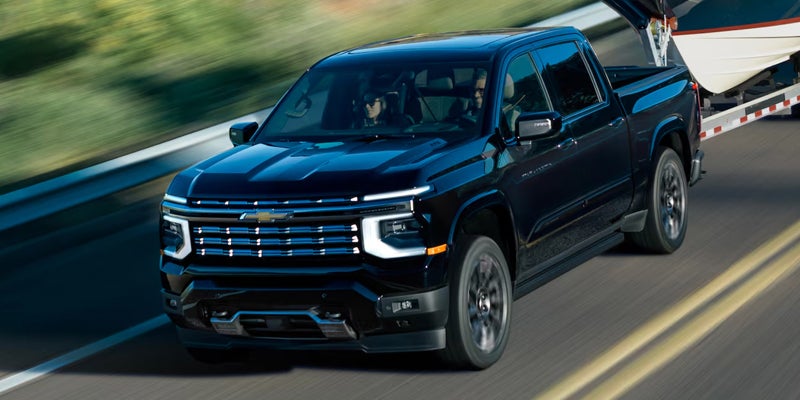
2026 Chevrolet Silverado 1500 vs. RAM 1500: Capability Comes Down to the Numbers The Chevrolet Silverado 1500 and RAM 1500 are both great options for a full-size truck. RAM puts considerable emphasis on ride quality, interior appointments, and available technology, while Chevrolet offers a broad range of configurations backed by some serious towing numbers. For Eagle Pass, TX, truck buyers, the comparison isn't about declaring one truck universally superior. It's about engines, towing capacity, cab and bed choices, technology, and finding the configuration capable of doing the work you have planned. Silverado Gives Buyers Plenty of Ways to Build a Truck The 2026 Chevrolet Silverado 1500 lineup includes 10 models along with Regular Cab, Double Cab, and Crew Cab configurations and multiple bed choices. That breadth is important because full-size pickups rarely have a single job. A truck used primarily for towing doesn't necessarily need the same configuration as one carrying a family during the week or equipment to a jobsite. The RAM 1500 also provides multiple configurations and is notable for its multi-link coil-spring rear suspension. Higher RAM trims put additional emphasis on premium cabin materials, while the Silverado's broad lineup gives Chevrolet shoppers plenty of room to prioritize work, comfort, off-road equipment, or everyday utility. Crew Cab Space Makes the Truck More Useful A modern full-size pickup often must function as both equipment and transportation, which makes the cab nearly as important as the bed. Silverado Crew Cab models provide generous rear passenger room along with useful interior storage, while Regular and Double Cab configurations give buyers alternatives when passenger capacity isn't the primary concern. RAM offers similarly useful passenger accommodations, with additional storage solutions available depending on configuration. This part of the comparison is best handled by looking through available Silverado 1500 inventory and sitting inside the different cab styles. The right cab is the one that leaves enough room for the people and equipment you regularly carry. Technology Has a Job Beyond Looking Modern Available Silverado technology includes a 13.4-inch touchscreen and 12.3-inch reconfigurable Driver Information Center, along with wireless Apple CarPlay® and Android Auto™ compatibility. Available Google built-in adds another route to connected features, while OnStar® services and available Wi-Fi® hotspot capability expand the truck's connectivity options. RAM counters with its own extensive technology offering, including more than 50 inches of combined available digital displays on higher trims. That's an impressive number, but screen acreage isn't particularly useful by itself. In a pickup, the better technology is the equipment that makes towing, information, navigation, connectivity, and vehicle functions easier to manage. Towing Is Where the Silverado Makes Its Strongest Argument Chevrolet offers 4 engines in the 2026 Silverado 1500: the TurboMax ™, 5.3L EcoTec3 V8, 6.2L EcoTec3 V8, and 3.0L Duramax® Turbo-Diesel. The 6.2L V8 produces 420 hp and 460 lbs. ft. of torque, while maximum available towing reaches 13,300 lbs. when properly equipped. RAM's available High-Output 3.0L Hurricane engine produces up to 540 hp and 521 lbs. ft. of torque, giving it the output advantage. Maximum available RAM 1500 towing, however, reaches 11,610 lbs. The principal difference is straightforward: maximum engine output and maximum towing capacity aren't the same measurement. Buyers planning regular trailer work should compare specific engines, drivetrains, axle ratios, equipment, and individual truck ratings rather than shopping from hp alone. The Duramax® Adds Another Option RAM Doesn't Offer The available 3.0L Duramax® Turbo-Diesel gives Silverado buyers a powertrain choice the 2026 RAM 1500 doesn't provide. It can achieve an EPA-estimated 28 MPG highway in applicable configurations, adding an efficiency consideration for drivers who regularly cover longer distances. Gasoline engines remain available for buyers whose priorities point elsewhere. Comparing Silverado trims and powertrains is important here because fuel economy, towing capability, and equipment vary by configuration. Choose the Silverado That Matches the Work The Silverado's case rests on choice and capability: 4 available engines, multiple cab and bed configurations, useful technology, and maximum available towing of 13,300 lbs. Brown Chevrolet of Eagle Pass can help shoppers explore new Silverado 1500 inventory, compare available trims and configurations, review financing options, and value a trade. Before choosing a truck, determine what you'll tow, carry, and use most often, then find the Silverado configured for that job and schedule a test drive online.

Why Winter Maintenance is Important for Your Chevrolet 

Why Winter Maintenance is Important for Your Chevrolet

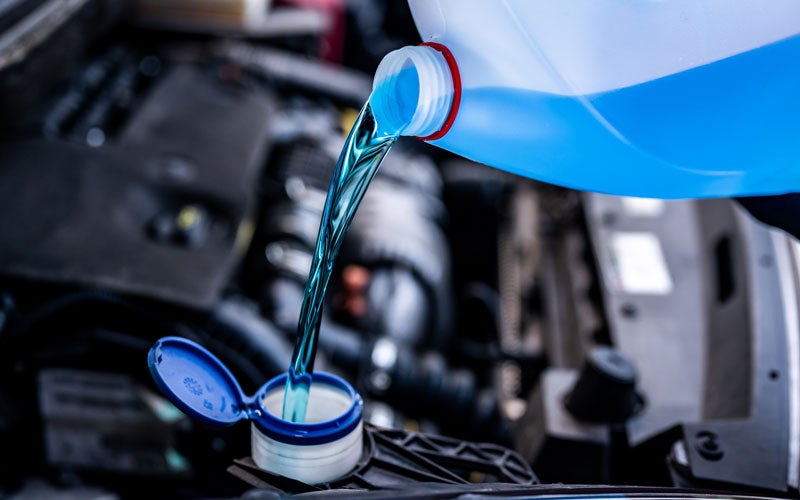
Even in a town like Eagle Pass, TX, where winters are mild compared to northern states, cooler temperatures and seasonal weather shifts can still take a toll on your vehicle. Winter maintenance is not just for drivers dealing with snow and ice. Temperature drops, reduced daylight, and changes in humidity can all affect how your Chevrolet performs. Staying ahead of seasonal wear helps keep you safe and your vehicle running reliably. Common Types of Winter Maintenance Winter maintenance covers several key areas that work together to keep your Chevrolet performing at its best. Here is what most service professionals typically recommend as the temperatures start to fall. Battery Inspection Cold weather puts added strain on your vehicle's battery. A battery that is aging or holding a weak charge may start fine during the summer but struggle when temperatures dip. Having your battery tested before the season changes is a simple, low-cost step that can prevent unexpected breakdowns. Coolant and Antifreeze Check Your engine's cooling system relies on the right mixture of coolant and antifreeze to regulate temperature year-round. Antifreeze prevents coolant from freezing in cold temps and protects against overheating in warm ones. If your antifreeze levels are low or the fluid is degraded, your engine may not be adequately protected. Checking and topping off antifreeze is one of the most important parts of any winter maintenance routine. Tire Inspection Tire pressure drops as the air gets cooler - roughly one pound per square inch for every 10 degrees Fahrenheit of temperature change. Underinflated tires affect handling, fuel efficiency, and tire lifespan. Inspecting tread depth and adjusting pressure to the recommended levels is a quick check that makes a real difference on the road. Fluid Top-Offs and Wiper Blades Winter maintenance should also include checking your windshield washer fluid, brake fluid, and engine oil. Wiper blades often go overlooked until they streak or skip across the glass. Replacing worn blades before conditions get worse is a smart and easy fix. What Happens If You Skip Winter Maintenance Skipping winter maintenance might not cause immediate problems, but it creates risks that can compound over time. A neglected battery may leave you stranded. Low antifreeze levels can cause your engine to overheat or allow internal components to corrode. Worn tires with low pressure reduce traction and increase stopping distances, which is a concern even in light rain. In short, deferred maintenance leads to larger, more expensive repairs down the road. What starts as a small issue - like a dirty air filter or degraded antifreeze - can turn into a much bigger problem if left unaddressed through a season of temperature swings. Trust Brown Chevrolet Eagle Pass for Winter Maintenance Winter maintenance is about more than just preparing for cold snaps. It is about keeping your Chevrolet dependable, efficient, and safe no matter what the season brings. Drivers throughout Eagle Pass, TX, can feel confident bringing their vehicle to Brown Chevrolet Eagle Pass for a seasonal checkup. A few straightforward inspections now can save a lot of time, money, and stress down the road. Schedule an appointment today to let our certified service team take a look at your Chevrolet before the season changes.

Tires FAQ: Understanding Tire Maintenance, Replacement, and Care in Eagle Pass, TX

Tires FAQ: Understanding Tire Maintenance, Replacement, and Care in Eagle Pass, TX

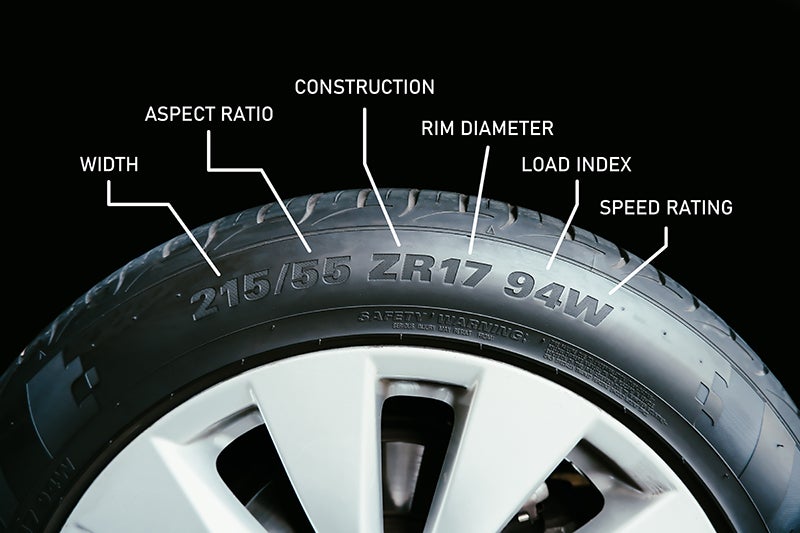
Your tires are one of the most important components of your vehicle. They provide the connection between your car, truck, or SUV and the road, affecting handling, braking, comfort, and overall driving performance. Proper tire maintenance helps support reliable performance and can help drivers identify potential issues before they become larger concerns. For drivers in Eagle Pass, TX, regular tire care is especially important due to changing road conditions, temperature fluctuations, and everyday driving demands. Whether you drive a Chevrolet Silverado, Equinox, Traverse, Malibu, or another vehicle, maintaining your tires helps ensure your vehicle is prepared for every trip. At Brown Chevrolet of Eagle Pass, Chevrolet Certified Service experts provide tire services designed to help drivers maintain their vehicles. From tire rotations and inspections to finding the right replacement tires, professional service can make tire maintenance easier. Why Is Tire Maintenance Important? Tire maintenance plays an important role in vehicle performance and safety. Tires with proper inflation, balanced wear, and sufficient tread depth help your vehicle respond correctly while driving. Neglecting routine tire care can lead to uneven wear, reduced handling, and the need for replacement sooner than expected. Many tire problems develop gradually. Drivers may not notice changes in performance until a tire issue becomes more serious. Regular inspections allow technicians to check for signs of wear, damage, and other conditions that may affect tire performance. Important tire maintenance services include: Checking tire pressure regularly. Rotating tires according to the vehicle manufacturer’s recommendations. Inspecting tread depth and wear patterns. Checking for punctures, cracks, or sidewall damage. Performing wheel alignments when needed. Balancing tires to promote smoother driving. A tire inspection is a simple way to better understand your vehicle’s condition. Professional technicians can identify concerns that may not be obvious during a quick visual check. How Often Should I Rotate My Tires? Tire rotation helps promote even wear by changing the position of each tire on the vehicle. Because tires experience different levels of stress depending on their location, rotating them helps maintain balanced performance. Front tires often experience different wear patterns compared with rear tires, especially on front-wheel-drive vehicles. Regular rotation helps distribute wear more evenly, which can support longer tire life and consistent handling. Drivers should consider tire rotations based on: Vehicle manufacturer recommendations. Driving habits and road conditions. Tire type and tread pattern. Signs of uneven wear. Many routine maintenance visits include tire rotation as part of keeping your vehicle in good condition. A service appointment provides an opportunity to inspect tires while addressing other important vehicle maintenance needs. How Do I Know When My Tires Need to Be Replaced? Knowing when to replace tires is an important part of vehicle ownership. Tires naturally wear down over time, and continuing to drive on worn tires can affect traction and handling. Several signs may indicate your tires need attention: Tread depth appears low. Visible cracks or damage appear on the tire surface. The vehicle vibrates while driving. Tires lose air pressure frequently. Uneven wear appears across the tread. The vehicle pulls to one side. Drivers should also consider the age and condition of their tires. Even if tread remains visible, older tires may require inspection due to changes in rubber condition over time. A professional tire inspection can help determine whether your tires can continue being used or if replacement options should be considered. What Tire Pressure Should My Vehicle Have? Maintaining the correct tire pressure is one of the easiest ways to care for your tires. Underinflated or overinflated tires can affect handling, fuel efficiency, and tire wear. The recommended tire pressure for your vehicle can usually be found on the driver-side door label or in the owner’s manual. Tire pressure recommendations vary depending on the vehicle model, tire size, and manufacturer specifications. Drivers should check tire pressure: Before long road trips. During seasonal temperature changes. When a tire pressure warning light appears. During routine maintenance visits. Proper inflation helps your tires maintain the intended contact with the road and supports a smoother driving experience. What Causes Uneven Tire Wear? Uneven tire wear can happen for several reasons. Identifying the cause helps prevent continued wear and protects your investment in your tires. Common causes of uneven tire wear include: Incorrect tire pressure. Improper wheel alignment. Lack of regular tire rotations. Worn suspension components. Driving habits and road conditions. Unbalanced tires. For example, tires that wear more on one edge may indicate an alignment concern, while uneven wear between tires may point to the need for rotation. A technician can inspect your tires and recommend the appropriate service. Do I Need a Wheel Alignment? A wheel alignment adjusts the angles of your vehicle’s wheels so they meet manufacturer specifications. Proper alignment helps support balanced tire wear, steering response, and vehicle handling. Drivers may need a wheel alignment if they notice: The vehicle pulling left or right. A steering wheel that is not centered. Uneven tire wear. Steering changes after hitting a pothole or road hazard. New tires wearing unevenly. Texas roads can include a variety of driving conditions, and impacts from potholes or uneven surfaces can affect alignment over time. Having your alignment checked when necessary can help maintain proper tire performance. How Do I Choose the Right Tires for My Vehicle? Selecting the right tires depends on your vehicle type, driving habits, and local conditions. The best tire choice for a Chevrolet truck may differ from what works best for a compact SUV or sedan. Factors to consider when choosing tires include: Vehicle size and weight. Recommended tire specifications. Driving environment. Weather conditions. Desired ride comfort and performance. A tire professional can help explain available options and ensure the tires selected match your vehicle’s requirements. Can Tire Services Help Improve My Vehicle’s Performance? Tires influence how your vehicle accelerates, turns, brakes, and handles different road surfaces. Properly maintained tires allow your vehicle’s suspension, steering, and braking systems to work more effectively. Regular tire services can support: More consistent handling. Improved ride comfort. Even tire wear. Better preparation for changing road conditions. Identification of potential tire concerns. Tire care is not only about replacing worn tires. It also involves maintaining the tires you already have through regular inspections and proper service. Schedule Tire Service at Brown Chevrolet of Eagle Pass Keeping your tires properly maintained helps support dependable performance every time you drive. From routine tire rotations and inspections to selecting replacement tires, professional service can help you keep your vehicle ready for the road. Brown Chevrolet of Eagle Pass offers Chevrolet Certified Service support for drivers needing tire care and vehicle maintenance in Eagle Pass. The service team can assist with tire inspections, rotations, wheel-related services, and other maintenance needs. Schedule your next service visit today and help keep your Chevrolet performing at its best.