





Oil, Engines, and the Moment That Little Light Ruins Your Day
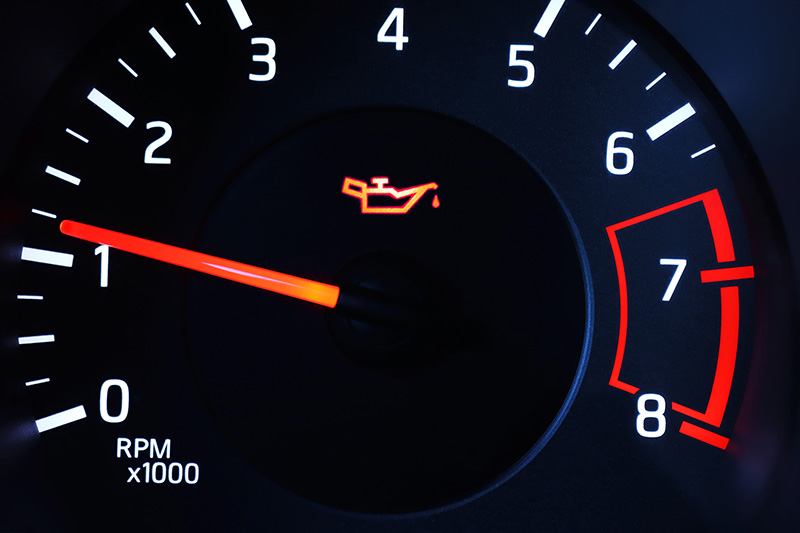
About oil changes – There is a very specific kind of mechanical tragedy that unfolds quietly. No explosions. No dramatic roadside smoke signals. Just a small dashboard icon glowing with the emotional warmth of a disappointed teacher. That is your oil warning light, and in performance terms it matters far more than most drivers realize.
Engine oil is not simply lubrication. It is a working fluid tasked with managing heat, protecting tolerances measured in fractions of a millimeter, and carrying away microscopic debris generated every time internal components move at several thousand revolutions per minute. In warm climates like Eagle Pass, TX, where extended heat cycles are common, oil stability becomes even more critical to long-term engine health.
Why Oil Changes Are a Performance Conversation
Fresh oil maintains a consistent lubricating film between moving surfaces. Once that film degrades, friction increases. Increased friction means elevated temperatures. Elevated temperatures accelerate wear. From a driving perspective, that translates into subtle but real losses in smoothness, efficiency, and responsiveness long before catastrophic failure ever enters the picture.
Modern synthetic oils extend service intervals significantly, often reaching 7,500 to 10,000 miles in many vehicles. Conventional oils typically require more frequent replacement, sometimes as soon as 3,000 miles depending on usage patterns. Short urban drives, heavy towing, and extreme temperatures can all shorten these intervals further.
When the Oil Light Appears, the Clock Starts
An illuminated oil warning light is not a gentle suggestion. It is the vehicle signaling that lubrication pressure or oil quality has dropped to a level that risks mechanical damage. Continuing to drive extensively in that condition can allow accelerated component wear or, in severe cases, internal engine seizure.
Responding quickly is not just preventative maintenance. It is performance preservation. Engines that receive consistent oil service tend to deliver smoother power delivery, improved fuel efficiency, and longer operational life.
Long-Term Consequences of Skipping Oil Changes
Old oil oxidizes and thickens. Contaminants accumulate. Sludge formation can restrict vital oil passages. Over time, this degrades valve timing precision, piston ring sealing, and bearing integrity. The result is often reduced drivability first, followed by increasingly expensive repairs later.
Routine oil changes remain one of the simplest mechanical decisions that deliver measurable long-term value.
Keep Your Engine Operating as Intended
If your oil light appears or your service interval approaches, scheduling maintenance promptly helps ensure your engine continues to operate with the refinement and durability it was engineered to deliver.
Visit Brown CGB Eagle Pass for professional oil service guidance and experienced technicians who understand how proper lubrication supports both everyday dependability and sustained mechanical performance.
Connect with us


- 2025 Chevy cars
- 2026
- 2026 Equinox
- Brown Chevrolet Buick GMC of Eagle Pass Service
- EAGLE PASS Buick Dealer
- EAGLE PASS Buick Service
- Eagle Pass Chevrolet Service
- eagle pass chevy dealer
- eagle pass gmc dealer
- EAGLE PASS Used Cars
- Eagle Pass used trucks
- FAQs
- Oil Change
- Silverado 1500
- Tires
- Winter Maintenance